In the above code, we read the integer variable num from the console with the int.TryParse() method in C#. We check whether the user entered a valid integer or not with the int.TryParse() method. If the value is invalid, the program displays an error message.

If the value is valid, the program stores the value inside the integer variable num and displays it in the output. This method is better than the previous approach because it provides us with a way to handle unexpected user values. The int.TryParse() method should be preferred over the int.TryParse() method when we are uncertain about the user input. Notice that we use the Convert class in these two input statements.

We mentioned that all input from a user is in string format. You could create three variables that contain strings, but age and birthyear are integers. In addition, you will likely store these values in a database if this was a real-world application. For this reason, you want to create variable data types that represent the values stored in each variable.
Since the input from a user is a string, you need to convert the string to the correct data type. If you attempted to run this program without the Convert class actions, the program would fail and the compiler would give you an error. For this reason, you must convert the input to the proper data type before you store it to the variable. You could also create temporary variables and convert the string values in them, but this again would be inefficient code.

The above code statements are how you properly retrieve input and then convert the values to the correct data type before storing them in their appropriate variables. C# requires two types of statements when you want to work with console input and output. This statement prompts the user for what must be entered. It also takes the calculated input and displays some information back to the user. For instance, you can create a simple calculator with a console application. You display a prompt asking the user to enter two numbers.
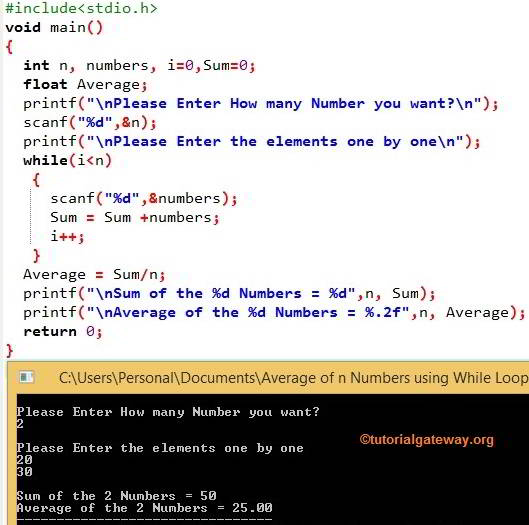
The numbers are then added together and the result is displayed back to the user. Both the prompting statement and the resulting output are both a form of console output. To accomplish this we can use a while loop and just continue to store values into the variable we declare until the readline is blank. I am also going to be storing the total of the numbers I take in in a seperate variable, and a total number of numbers taken in.

This will give me all the information I need to find the average/mean of the numbers fed to Console.ReadLine(). (Keep in mind this code isn't fool proof, if you enter a string it will not work properly). These three lines complete the output of your program.

We simply repeat what the user input in three strings. All three statements use the WriteLine function to display information. This function automatically appends a carriage return to the end of the line.

This means that each statement outputs information on its own line. The carriage return character is the character representation of what happens when you press the Enter key on your keyboard. The end of the line terminates and a new one is created. This is the purpose of the WriteLine function, so you don't need to manually code the carriage return.
The carriage return character is represented as the symbol "\n" in most C-style languages including C#. You could use the Console.Write function with the new line character ( \n ) in your C# statements, and the result of the output would be the same. Remember that you want to keep your code clean and efficient, so the Console.WriteLine function is preferred over the alternative. The Console.ReadLine function grabs the user information entered and then places the value in the name variable. Since user input is automatically set as a string, numbers, special characters or any other input is accepted.

It's up to the developer to perform validation checks. For instance, you could create code that loops through the string and identifies if any numeric values were given. You can assume that a numeric value in a name is incorrect, and then send a message to the user to re-enter information. For this demo, we will accept any input from the user. The example below demonstrates the use of the continue command.

If the user inputs a negative number or a zero, the program prints the message "Unfit number, try again", after which the execution returns to the beginning of the loop. In the previous example, the program read inputs of type string from the user. Similar programs with different input types are also possible.
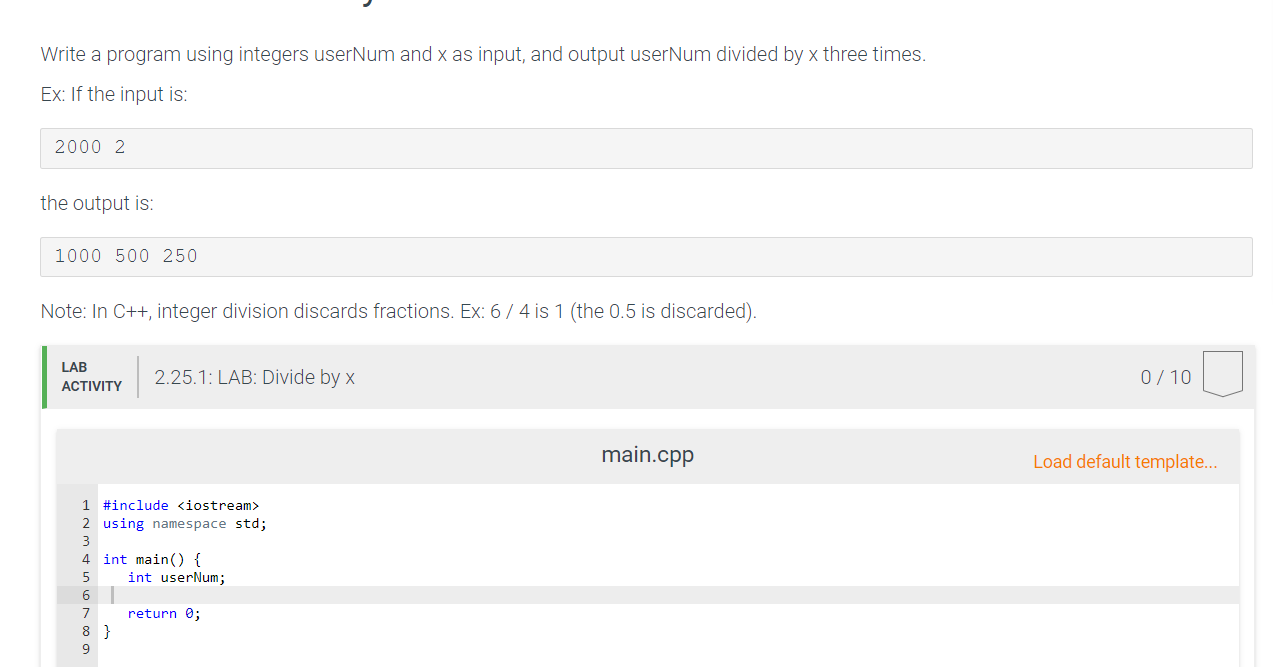
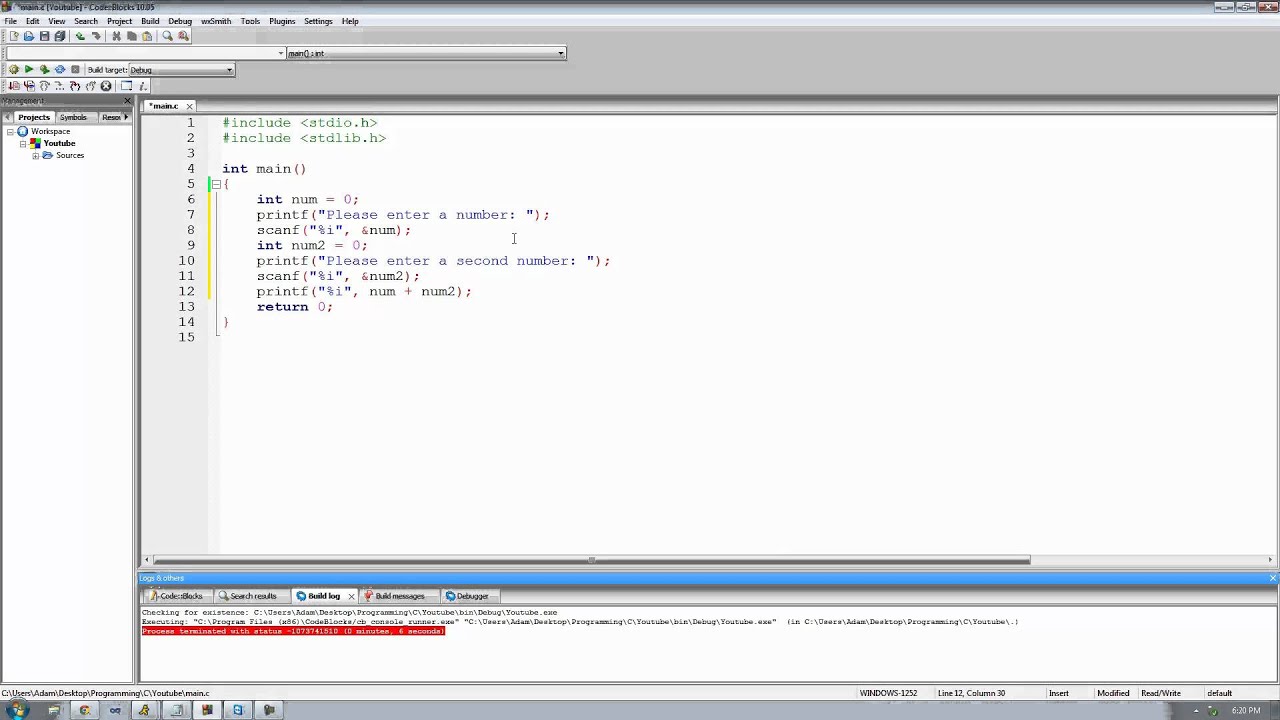
In the example below, the user is asked for numbers until they input a zero. Our next app reads two integers (whole numbers, like –22, 7, 0 and 1024) typed by a user at the keyboard, computes the sum of the values and displays the result. This app must keep track of the numbers supplied by the user for the calculation later in the app. Apps remember numbers and other data in the computer's memory and access that data through app elements called variables. In the sample output, we highlight data the user enters at the keyboard in bold. Both birthyear and age are set with the integer data type, so we must convert the input to this data type.
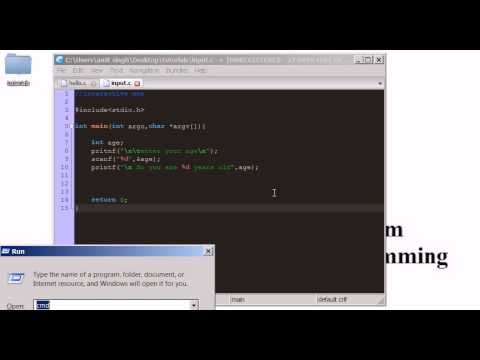
The Convert.ToInt32 function converts any string value to an integer provided the actual input is indeed an integer. If you have any letters or special characters, the conversion will fail. This is again another example of a programmer's responsibility to check the validity of the input and return a prompt if the right input is not entered. This is the statement that stops execution and waits for user input.
If you run your program with just the previous two statements, output is shown to the user and then execution stops waiting for the user to enter information. The console will read all data up until the enter key is pressed. The enter key sends a message to the program that the user has entered all data requested. Most programs don't just run and perform a function without any type of user input.
User input is any click command, text from a keyboard, or entry in a form. In almost any program, you need to handle user input. You work with user input in console applications, local desktop applications, or your website pages. This article focuses on user input, how you can handle different data types, and returning a response to the user. Although Example 5 is fully functional, we can shorten it a bit if we want to, but any changes at this point are code style preferences and are not required.

Just like any other program, we need variables to store values for our program. We want to ask the user for a name, age and birthyear. It's important that you give each variable the right data type.

You could set all variables as strings, but this would make your program inefficient and poorly coded. User input is always a string, but you want to designate a data type that matches the data stored. We set age and birthyear as an integer even though the user input is initially set as a string. In this example, we ask the user a question, and suggest that they enter either yes, no or maybe. We then read the user input, and create a switch statement for it.

To help the user, we convert the input to lowercase before we check it against our lowercase strings, so that there is no difference between lowercase and uppercase letters. This simple program gives you practice with user input. Remember that we skipped validation and error checking. You'll need to add coded logic that identifies if any incorrect data is entered that could crash the program. With some practice, you'll be able to work with user input and store it in a database or use it to create calculations and return a response back to the user without any errors.
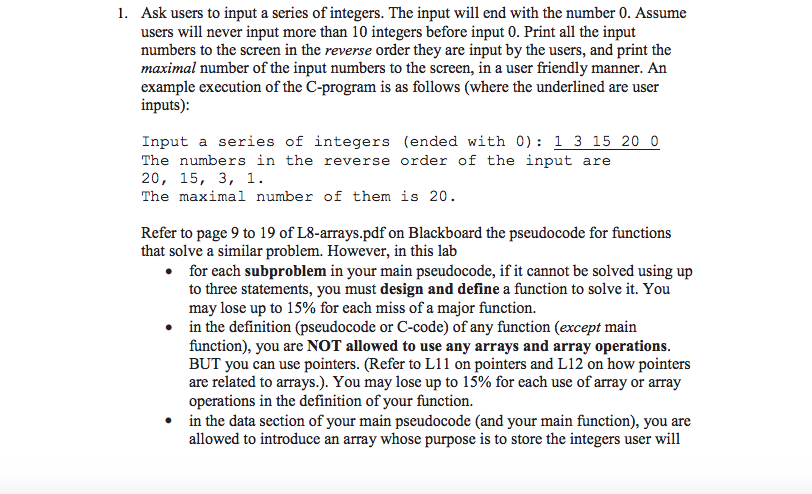
When data that has been entered into HTML forms is submitted, the names and values in the form elements are encoded and sent to the server in an HTTP request message using GET or POST. Another possible encoding, Internet media type multipart/form-data, is also available and is common for POST-based file submissions. First, it calls the Console's ReadLine method, which waits for the user to type a string of characters at the keyboard and press the Enter key. As we mentioned, some methods perform a task then return the result of that task.
In this case, ReadLine returns the text the user entered. Then, the string is used as an argument to class Convert's ToInt32 method, which converts this sequence of characters into data of type int. In this case, method ToInt32 returns the int representation of the user's input. On Line 21, we are simply inserting a blank line into the console to provide some spacing between the questions we have asked and the output we are about to display. On Line 22, we are joining our strings together with the Concatenation Operation ( + ). Notice, we can write a string inside double quotes like we have been doing, but we can also reference our existing string variables by their name.

Since these variables were assigned values based on the user's input, their first and last name will appear in our console application. Getting Input from User / Keyboard in C# – Learn how to get input from user / keyboard like int, string and double data types etc in C# program. Example of taking integer / string input using Console.ReadLine method in C#. Observe that we have added some special code, Convert.ToInt32(), in order to save the value of Console.ReadLine() to an Integer data type. Console.ReadLine() expects a sequence of alphanumeric Unicode characters, a String. We will use the ToInt32() method of the Convert class in order to parse our String as an Integer.
With this method, we can convert an alphanumeric string into a whole number and be able to use it to make calculations in our program. The Convert class is used to convert between different base data types in C#. Since both string and integer are base data types, we can convert from a string variable to an integer variable with the Convert class. The Convert.ToInt32() method is another way to convert a string value to an integer value in C#. We can read the string from the console with the Console.ReadLine() method and then convert it to an integer value with the Convert.ToInt32() method.
I had never heard of a validation system, but Noname's explanation made perfect sense. I was actually a little surprised that I had never thought to question what wouldhappen if the user entered a type that my code wasn't expecting. In all my programs thus far, I had assumed that when I asked for an integer, the user would input an integer. But what if the user input the wrong type, either by mistake or intentionally?
Feeling sheepish that I'd overlooked something so important, I said goodbye to Noname and went to seek out Ritchie for an immediate lesson. The second statement you need is the input statement. This statement stops execution of the application and waits for the user's input. The user could close the application, which stops execution as well, but you assume in your code that the user will send some data for you to process. If the user decides to close the program, it does not crash the machine.

It can cause issues if you store the information in a database, but we'll assume that you're just asking for input, performing a calculation, and then displaying the output to the user. These applications use the Microsoft command line to display information and take user input from the keyboard. Most beginner programmers learn how to deal with user input using the console, because these applications are the easiest to set up and configure.

We'll discuss input from web applications in later chapters. The program can also be implemented with other types of variables. The program below asks numbers from the user until the user inputs a zero.

There's still a lot to learn about getting user input. As of right now we're only receiving input in the form of strings. As we move forward in the course we'll take a look at how to allow the user to enter numbers, and other types of data.

Technically, the user can type anything as the input value. ReadLine will accept it and pass it off to the ToInt32 method. This method assumes that the string contains a valid integer value.
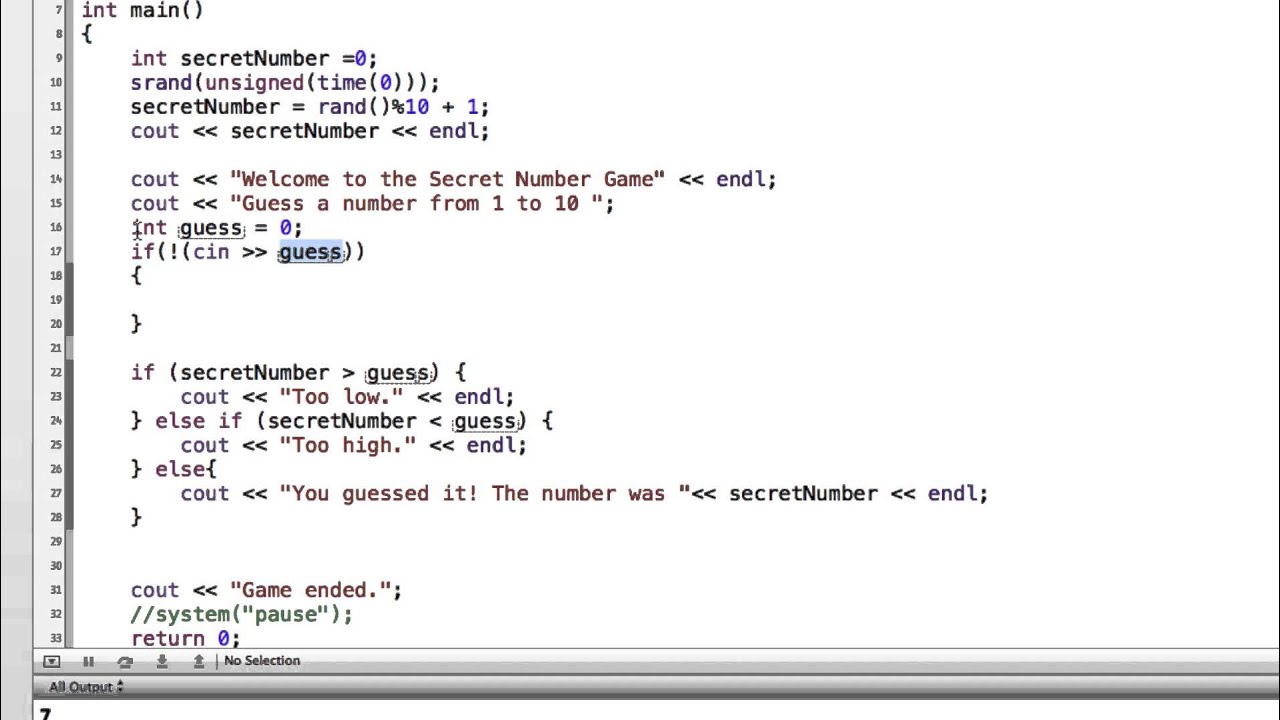
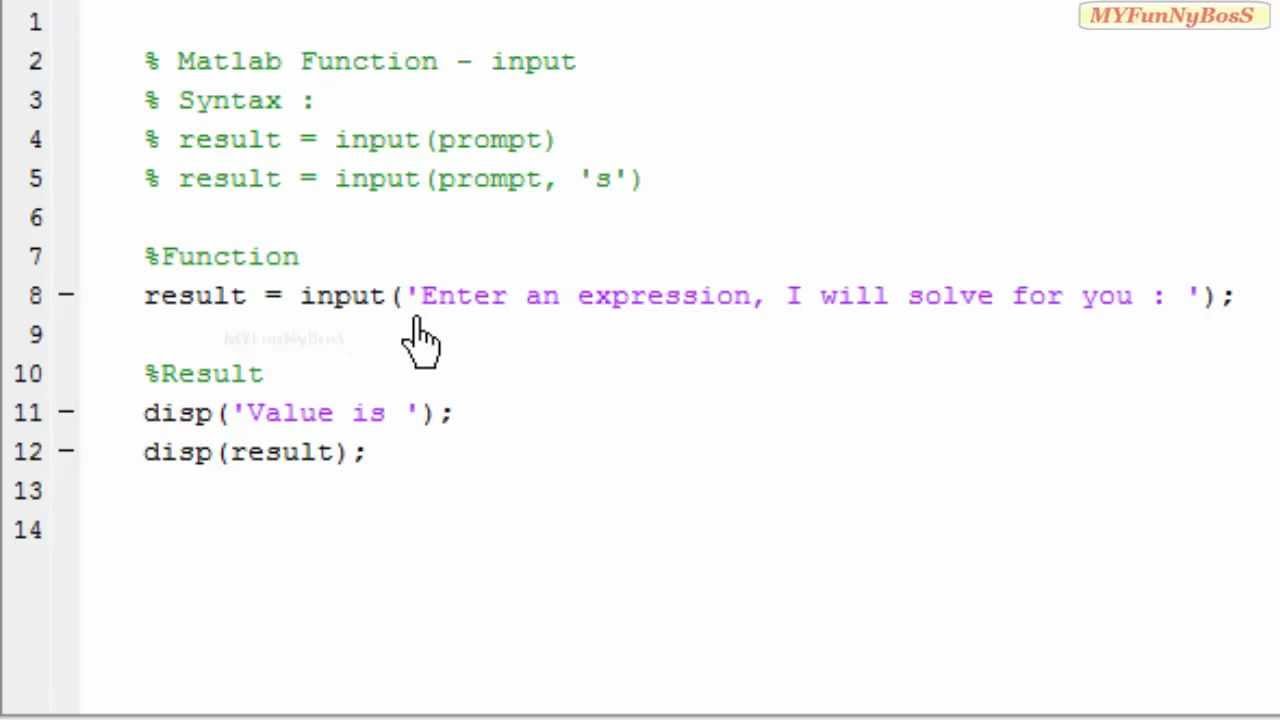
In this app, if the user types a noninteger value, a runtime logic error called an exception will occur and the app will terminate. C# offers a technology called exception handling that will help you make your apps more robust by enabling them to handle exceptions and continue executing. We introduce exception handling in Section 8.4, then use it again in Chapter 10. We take a deeper look at exception handling in Chapter 13. The text that appears in the input() is a prompt, which tells the user what information they are expected to enter. When your program reaches an input command it will display the prompt and wait for the user to type some input.


No comments:
Post a Comment
Note: Only a member of this blog may post a comment.